
AI is fundamentally changing business insurance, using vast datasets for more precise and dynamic risk models. For business owners, the core impact of ai in insurance underwriting is a shift from static, historical assessments to real-time analysis, directly affecting your premium accuracy, policy options, and overall eligibility.
Table of contents
- What Is AI in Insurance Underwriting & How Is It Different?
- How Is AI in Insurance Underwriting Changing Risk Assessment?
- What Challenges Does AI in Underwriting Create for Businesses?
- How Can My Business Prepare for AI-Driven Underwriting?
- Frequently asked questions
What Is AI in Insurance Underwriting & How Is It Different?
AI in insurance underwriting uses machine learning algorithms and complex data analysis to evaluate and price business insurance risk, moving far beyond the static questionnaires and historical loss runs of traditional methods. While a traditional underwriter relies on industry averages, financial statements, and a business's claims history, an AI model can ingest and interpret thousands of dynamic data points in real time. This includes everything from satellite imagery of a commercial property to social media sentiment about a company's products.
Definition: Predictive Analytics in Underwriting Predictive analytics is the core mechanism of AI underwriting. It's a branch of advanced analytics that uses historical data, statistical algorithms, and machine learning techniques to identify the likelihood of future outcomes. In insurance, instead of just looking at what has happened (descriptive analytics), it forecasts what is likely to happen, such as the probability of a specific type of claim occurring for a specific business.
For example, a traditional underwriter might see that a roofing company has had no claims in five years and offer a favorable rate. An AI model, however, might also analyze:
- weather patterns,
- employee safety certifications,
- online customer reviews mentioning worksite cleanliness, and
- telematics data from company vehicles.
If the model detects a pattern of hard braking or speeding, it might flag a higher risk of future auto claims and adjust the premium accordingly, even with a clean claims history.
Comparison: Traditional vs. AI-Powered Underwriting
To truly understand the shift, it helps to compare the two approaches directly. This table breaks down the key differences a business owner will experience.
| Aspect | Traditional Underwriting | AI-Driven Underwriting |
|---|---|---|
| Data Sources | Application forms, financial statements, loss history, industry codes. | Real-time telematics, IoT sensor data, satellite imagery, public records, social media, weather data, contract analysis (NLP). |
| Risk Model | Static and historical. Based on past events and broad industry classifications. | Dynamic and predictive. Continuously updated based on real-time data streams to forecast future risk. |
| Process Speed | Days or weeks. Involves manual data entry, review, and decision-making. | Minutes or hours. Automated data ingestion and analysis leads to near-instantaneous quoting for many policies. |
| Pricing Accuracy | Based on generalized risk pools. Similar businesses often receive similar rates. | Hyper-personalized. Premiums are granularly tailored to the specific, demonstrated risk of an individual business. |
| Human Role | Makes the final decision based on a manual review of submitted documents. | Manages exceptions, oversees the AI model, and handles complex, nuanced cases that require human judgment. |
How Is AI in Insurance Underwriting Changing Risk Assessment?
AI in insurance underwriting is creating a far more granular and proactive approach to risk assessment, moving from categorizing businesses to analyzing their specific behaviors and environments. Insurers can now underwrite with a level of precision that was previously impossible, which directly impacts the availability and cost of your business insurance in Arizona. This transformation is happening across several key areas.
-
Property Risk: Instead of just using a property's age and construction type, AI employs computer vision to analyze high-resolution aerial and satellite imagery. It can identify potential risks like roof degradation, overhanging tree limbs, or debris accumulation near a building—factors that might not appear on a standard application but significantly increase the risk of a property claim.
-
Liability Risk: Natural Language Processing (NLP) algorithms can now scan a company's service contracts, online reviews, and even internal safety manuals to identify potential liability exposures. For a software company, an AI might flag ambiguous indemnity clauses. For a restaurant, it could detect a pattern of online reviews mentioning slippery floors, indicating a higher slip-and-fall risk.
-
Workers' Compensation Risk: AI can integrate data from employee training logs, wearable safety devices that monitor posture and fatigue, and even video analytics from a factory floor to assess ergonomic risks. This allows for a more accurate pricing of Arizona workers' compensation insurance based on a company's actual, demonstrated safety culture rather than just its industry classification.
-
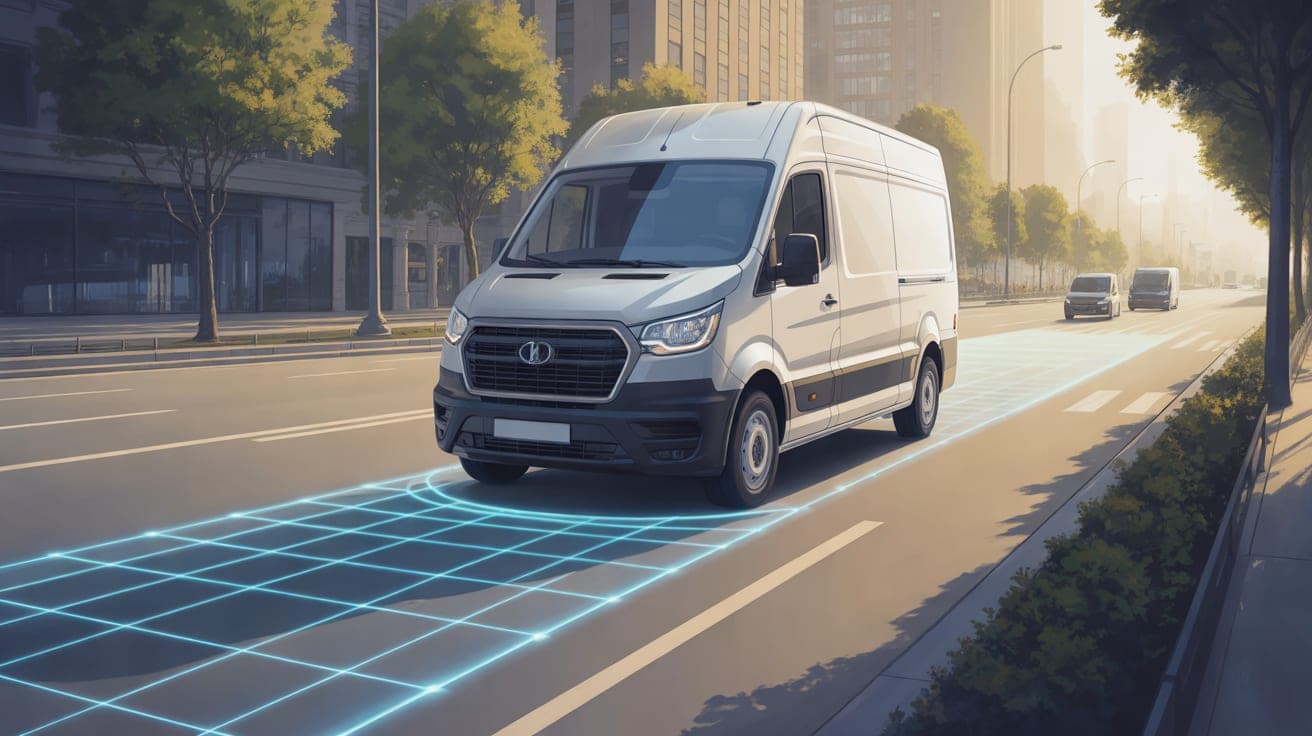
Commercial Auto Risk: Telematics is the most mature application of AI in underwriting. Devices in commercial vehicles track metrics like speed, acceleration, braking patterns, time of day, and geographic location. This data provides a direct, objective measure of fleet safety and driver behavior, allowing insurers to reward safe driving with lower premiums.

What Challenges Does AI in Underwriting Create for Businesses?
While this technology offers significant benefits, ai in insurance underwriting also introduces new challenges and considerations for businesses seeking coverage in 2026. The shift to data-driven models means that what you do is becoming just as important as what you are.
-
The 'Black Box' Problem: Many complex AI models, particularly deep learning networks, can be opaque. An underwriter might not be able to fully explain why the model assigned a specific risk score or premium. This can make it difficult for a business to understand what factors they need to address to improve their rates, leading to frustration and a lack of clear guidance.
-
Data Privacy and Security: The sheer volume of data required for AI underwriting raises significant privacy concerns. Businesses must be comfortable sharing operational data, from fleet telematics to potentially sensitive internal documents. Ensuring this data is transmitted and stored securely by the insurer is a critical new consideration.
-
The Risk of Algorithmic Bias: AI models are trained on historical data, and if that data contains inherent biases, the model will perpetuate and even amplify them. For example, if past data inadvertently correlated certain zip codes with higher claim rates for reasons unrelated to a business's actual risk, an AI could unfairly penalize new, well-run businesses in those areas. Regulators and insurers are actively working on this, but it remains a significant challenge.
-
The Digital Divide: Businesses that are less digitally mature may be at a disadvantage. A company that doesn't use modern fleet management software or lacks digital safety logs won't be able to provide the positive data points that could lead to lower premiums. They may be priced based on older, more generalized (and often higher) industry-average rates.
How Can My Business Prepare for AI-Driven Underwriting?
Your business can take proactive steps to thrive in this new landscape, positioning itself to earn the best possible terms and pricing from an AI-driven underwriting process. The key is to manage your data and demonstrate a commitment to risk management.
-
Embrace Data Collection: Implement systems that capture positive risk-related data. This could be telematics for your vehicle fleet, digital safety checklists for job sites, or a robust system for tracking employee training and certifications. The more positive data you can provide, the more accurately an AI can assess your low-risk profile.
-
Prioritize Your Digital Presence: Maintain a professional website and actively manage your online reviews. AI models increasingly use public web data to gauge operational quality and customer sentiment. A pattern of negative reviews or a neglected online presence can be interpreted as a sign of higher operational risk.
-
Document Everything: Formalize your safety protocols, risk management procedures, and employee training programs. Having well-documented, consistently enforced policies provides concrete evidence to an underwriter—and their AI—that your business is actively managing its risk.
-
Work with a Knowledgeable Broker: This is more critical than ever. An experienced broker, like the team at Boone Insurance Group, understands how these new underwriting models work. We can help you identify which data is most impactful, frame your business's risk profile in the best possible light, and advocate on your behalf if an automated decision seems unfair or inaccurate. We can also help you explore comprehensive protection, such as an umbrella insurance policy, to cover any gaps.
The era of ai in insurance underwriting is not about replacing human expertise but augmenting it. By understanding how these systems operate and proactively managing your business's data footprint, you can navigate this revolution and secure the competitive, accurate insurance coverage you deserve.
To discuss how your business can prepare for the future of underwriting, contact the experts at Boone Insurance Group for a comprehensive policy review.
Frequently asked questions
What is the main goal of using AI in insurance underwriting? The primary goal is to increase the accuracy and efficiency of risk assessment. By analyzing vast and diverse datasets in real time, AI helps insurers move from generalized, historical risk pools to highly specific, predictive models for individual businesses, resulting in more precise premium pricing.
Can AI underwriting lead to lower premiums for my business? Yes, for businesses that can demonstrate strong risk management practices through data. If your company has excellent safety records, a safe driving fleet, well-maintained properties, and positive public feedback, AI models can quantify that lower risk and reward you with more competitive premiums than traditional methods might offer.
Is my business's data secure when used in AI underwriting models? Reputable insurers are bound by stringent data privacy regulations and invest heavily in cybersecurity to protect the sensitive information used in their underwriting models. It is crucial to work with established carriers and ask about their data security protocols before sharing operational data.
Will I still work with a human agent if my policy is underwritten by AI? Absolutely. The role of the human agent or broker is becoming even more important. An agent helps you interpret AI-driven decisions, advocates for you in complex cases, provides context that an algorithm might miss, and helps you strategize on how to improve your risk profile to achieve better terms.
What kind of new data might my business need to provide for AI-driven underwriting? This varies by industry, but common examples include telematics data from commercial vehicles, maintenance logs for machinery, employee safety training records, digital access to service contracts for liability analysis, or even providing access to public social media and review site information.